New Tools Help Doctors Fix Tricky Hips
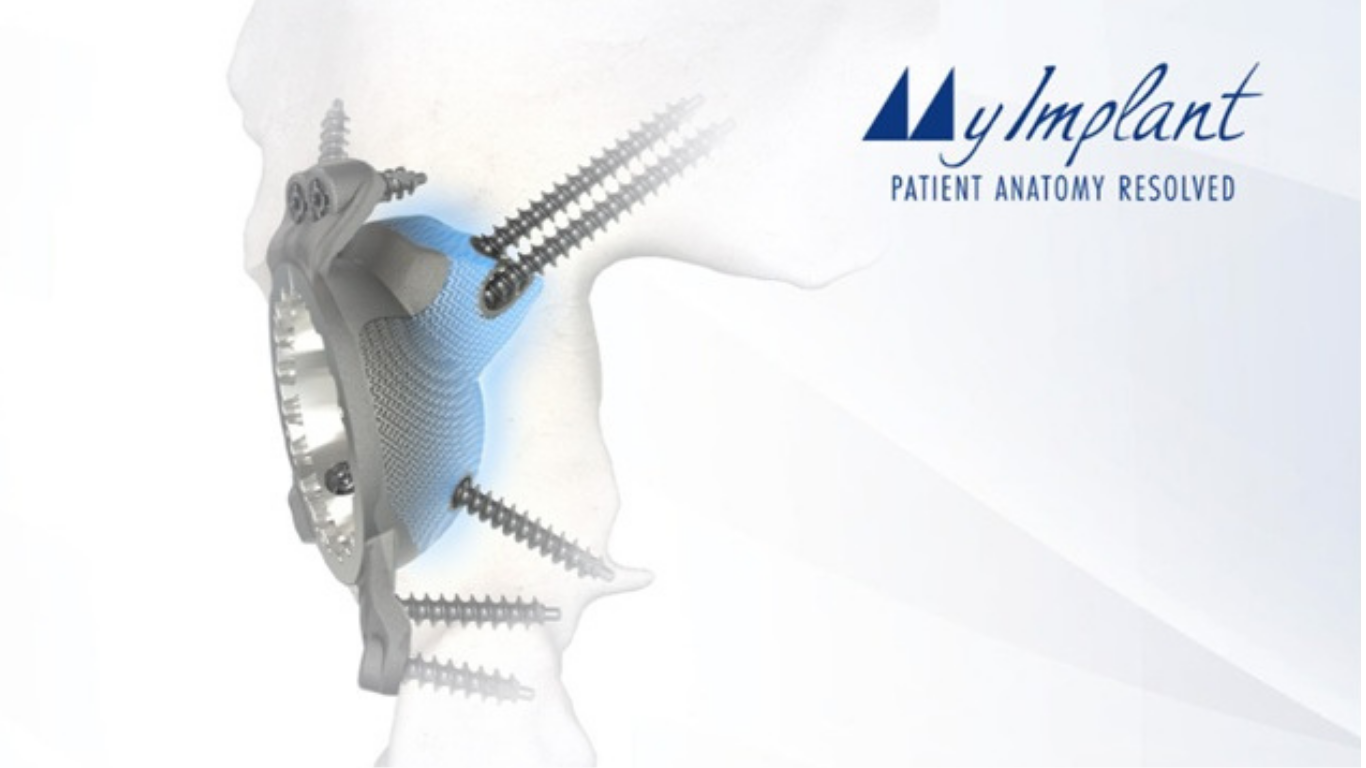
What's New for Hip Surgery?
Medacta, a company that makes medical devices, has created new tools for hip surgery. These tools are part of something called MyImplant. Before, MyImplant mostly helped with shoulder problems. Now, it can help with hips too.
Why Are These Tools Special?
Sometimes, people have very bad hip problems. This can happen when a lot of bone is missing. It makes it hard for doctors to put in a new hip. MyImplant helps doctors in these tough situations. It makes a special hip part that fits only you.
How Does It Work?
Medacta has been making special 3D parts for over 15 years. They use computers to plan everything. Here's how it helps with hips:
- 3D Planning: Doctors use special computer pictures of your hip. This helps them see exactly what's wrong.
- Custom Parts: They make a hip part that is 3D-printed. It's like a puzzle piece made just for your body.
- Better Fit: This custom part fits much better than a standard one. A good fit helps the new hip stay strong for a long time.
Dr. Alois Franz, a doctor from Germany, said that these custom parts make it much easier to fix complex hip problems.
What Does This Mean for Patients?
These new tools mean that doctors can do a better job fixing very difficult hip issues. When the hip part fits perfectly, it can:
- Help the new hip last longer.
- Make you feel better and improve your quality of life.
Doctors can also plan the surgery very carefully before they even start. They use your body's CT scans to practice the surgery on a computer. This helps them know exactly where to put the new hip part for the best results.
A Long History of Helping Hips
Medacta has been working on hip replacement for over 20 years. They keep finding new ways to make surgery better. This includes new materials and new ways to do surgery that are less invasive. The new MyImplant for hips is just another step in their goal to help people with hip problems live better lives.
Are you a physician or orthopedic industry professional?
Read the full clinical version of this article on Orthopedics This Week, written for surgeons, physicians, and orthopedic industry professionals.
Read clinical version on OTW